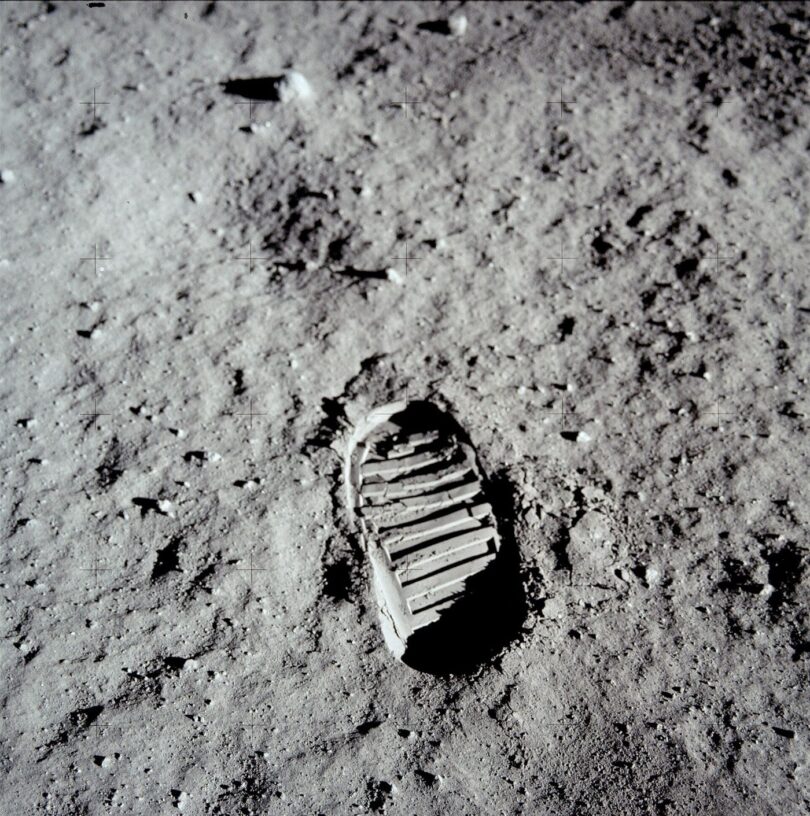

Moon dust sounds harmless, but engineers regard it as one of the most serious obstacles to working on the lunar surface for long periods. Unlike Earth dust, lunar particles have never been weathered smooth, so they are sharp, abrasive and electrostatically clingy, working their way into seals, scratching visors and coating solar panels and radiators until equipment overheats or fails. With renewed plans for sustained lunar missions, laboratories are testing defences against the dust using simulated material that mimics its awkward properties. Approaches under trial include special coatings that make particles less likely to stick, electric fields that sweep dust off surfaces without touching them and redesigned seals and connectors that tolerate contamination rather than demanding perfect cleanliness. Astronaut accounts from the Apollo era, when dust damaged equipment and irritated lungs inside the cabin, are being studied alongside the experiments, a reminder that the problem was documented decades ago but never solved because missions were short and widely spaced apart in time.
What the Evidence Shows
Testing dust defences convincingly on Earth is difficult, because gravity, air and moisture all change how particles behave. Researchers use vacuum chambers, drop towers and parabolic flights to approximate lunar conditions, and small experiments flown to the Moon itself are beginning to return direct evidence of which coatings and cleaning systems survive real exposure. The stakes are practical rather than abstract: a habitat or power system intended to operate for years cannot depend on astronauts constantly brushing down surfaces in bulky suits. Dust mitigation is therefore being written into design requirements from the start, influencing everything from airlock layouts to the texture of spacesuit fabrics. Scientists note an additional benefit for planetary protection and health research, since understanding how sharp mineral dust interacts with lungs and machinery applies to Mars missions as well. Solving the dust problem will rarely make headlines, but mission planners are clear that without a solution, every other lunar ambition becomes harder, riskier and considerably more expensive to sustain. Reporting and analysis from sources such as National Science Foundation track the same developments, and specialists following the lunar dust protection experiments say the direction is now consistent across independent lines of evidence.
The Wider Context
The wider context is a research landscape in which replication and open data now decide reputations. Findings connected to the lunar dust protection experiments are being checked by independent groups with shared datasets, and the teams involved publish their methods in full so rivals can test every step. That discipline is slower than a headline cycle, but it is why results in this area increasingly survive first contact with scrutiny.
What Happens Next
What happens next in the story of the lunar dust protection experiments will be decided by follow-up work already under way: larger samples, longer observation and instruments that have not yet come online. The researchers involved are unusually united on one point, that the current results justify the next investment of time and money. Readers will not have to wait long for the first tests of that claim. You can follow related developments in our coverage of science.
There is a practical lesson in all of this for readers deciding what to do today. Start with the verified facts, be wary of anyone promising certainty, and prefer reversible steps while the evidence is still developing. Circumstances differ by country, income and personal situation, so general guidance should always be weighed against your own context before you act on it in any significant or lasting way.