
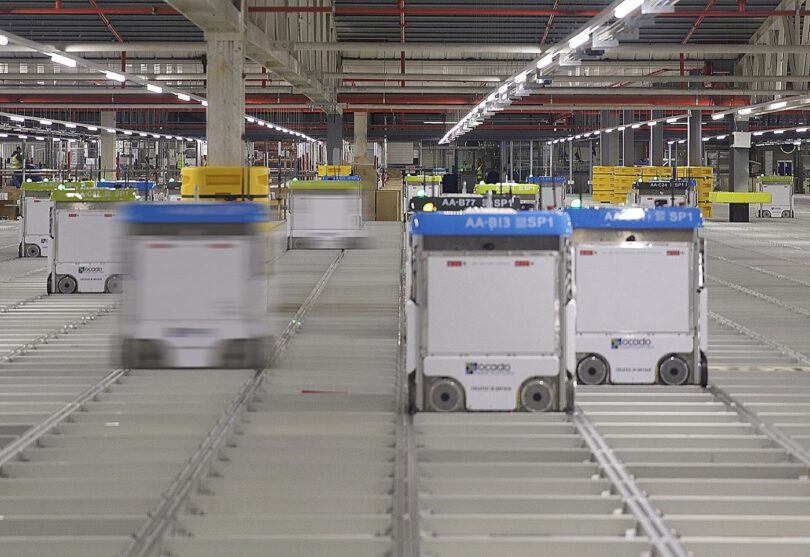

Returned goods are the untidiest problem in online retail: clothing in unmarked bags, electronics missing cables, toys opened and resealed, all arriving in a stream that resists the neat automation applied to outbound orders. Warehouse robots built for predictable boxes struggle with this variety, which is why returns centres still rely heavily on human hands. That is beginning to change as operators combine mobile robots with gentler manipulation and better identification. A typical new cell photographs each item from several angles, weighs it, reads any surviving labels and compares the result with the retailer’s catalogue to decide what the object is and whether it can be resold, refurbished or recycled. Soft grippers and suction tools chosen automatically for each item reduce the crushing and tearing that earlier machines inflicted. Items the system cannot identify with confidence are routed to people, whose decisions then train the software further. The economics are significant, because processing a return can cost a large share of an item’s value, and goods that wait too long in a returns backlog often end as waste. Faster, more accurate sorting means more products back on sale and fewer in landfill, a result retailers want for cost and environmental reasons alike.
What the Evidence Shows
Operators report that the hardest items remain soft, tangled or transparent: a black dress in a black bag defeats cameras, and cables arrive knotted around unrelated objects. Progress therefore comes from workflow design as much as from robotics, with returns stations arranged so machines handle volume and people handle exceptions. There is also a data dividend. When robots record why items come back and what condition they are in, retailers learn which product descriptions mislead buyers, which sizes run small and which packaging fails in transit. Feeding that back can prevent returns rather than merely process them faster. Worker organisations rightly ask what automation means for returns-centre jobs, which are often low-paid and physically repetitive; the credible operator answer so far is redeployment toward inspection, repair and exception handling, though that transition needs managing rather than assuming. Technically, the field is moving from demonstration cells to fleets that must run through peak season without constant engineering attention. Reliability, easy cleaning and quick gripper changes now matter as much as peak speed. Returns will never be as orderly as outbound fulfilment, but robots that can cope with disorder are bringing the messiest corner of logistics into the automated age. Reporting and analysis from sources such as IEEE Spectrum track the same developments, and specialists following robots sorting returned goods say the direction is now consistent across independent lines of evidence.
The Wider Context
Adoption of robots sorting returned goods follows a familiar pattern with an unfamiliar speed. Early users tolerate rough edges in exchange for advantage, mainstream users arrive when the tool disappears into existing workflows, and the market consolidates around whoever made that transition feel effortless. Vendors are racing less on raw performance now than on integration, support and trust.
What Happens Next
The realistic forecast for robots sorting returned goods is steady integration rather than sudden replacement: embedded in products people already use, improving in increments, and regulated in proportion to its reach. The companies and institutions that plan on that basis, training staff and redesigning processes instead of chasing launches, are the ones the adoption data tends to vindicate. You can follow related developments in our coverage of technology.
It is also worth remembering how quickly the picture in this area has changed before. Positions that looked settled a few years ago have been revised as new data arrived, and the same humility is appropriate now. The strongest coverage of this subject, and the most useful advice, tends to come from sources that update their views openly when the facts move, rather than defending an earlier position long after it has stopped fitting the evidence available.