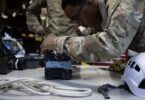
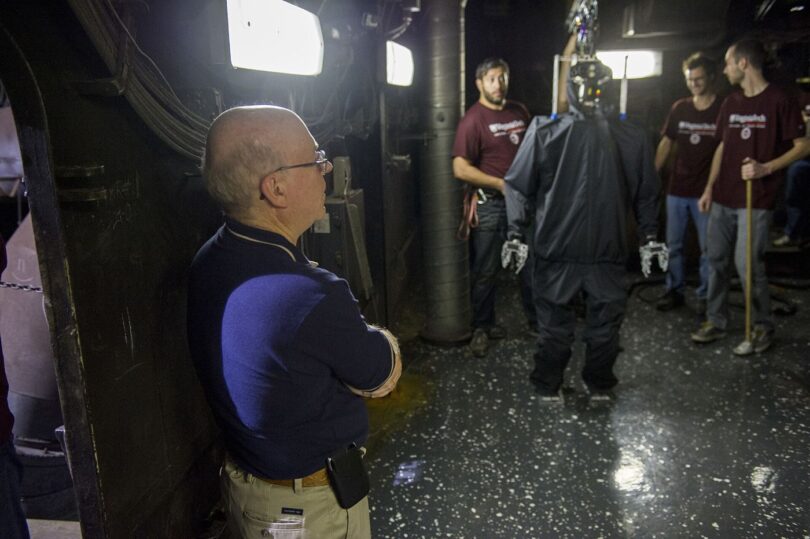

A humanoid robot picking up a screwdriver looks simple until you watch what the machine must actually do. Its cameras must recognise the tool among other objects, its fingers must grip it firmly without crushing it, and its arms must move with enough control to use it without damaging the workpiece or itself. Researchers are now testing robots on exactly these tasks, because the promise of a human-shaped machine is that it can work in places built for people, using the same tools, ladders and door handles. In laboratory trials, robots practise grasping, carrying and handing over objects, first in simulation and then with real hardware, repeating each movement hundreds of times while engineers measure accuracy and force. The tests also cover balance, since a robot that reaches too far or lifts too much can topple, and recovery, because a machine that falls in a factory must get up safely or stop before it harms anyone nearby.
What the Evidence Shows
Progress is fastest where the tasks are repetitive and the environment is controlled, such as sorting parts, moving boxes or assisting on assembly lines. Companies running pilot programmes report that the robots work best alongside people rather than replacing them, taking over tiring or awkward jobs while human workers handle decisions and delicate work. Cost remains a barrier, as does battery life, with most humanoid robots needing to recharge after a few hours of activity. Safety standards are still being written, covering how close a robot may work to a person and how quickly it must stop when someone enters its path. Researchers say the next milestone is not a more human appearance but more reliable hands, because dexterous gripping is the skill that separates a demonstration from a genuinely useful worker. Until robots can handle tools as reliably as people, they argue, the laboratory is exactly where they belong. Reporting and analysis from sources such as IEEE Spectrum track the same developments, and specialists following the tool-handling humanoid robots say the direction is now consistent across independent lines of evidence.
The Wider Context
Adoption of the tool-handling humanoid robots follows a familiar pattern with an unfamiliar speed. Early users tolerate rough edges in exchange for advantage, mainstream users arrive when the tool disappears into existing workflows, and the market consolidates around whoever made that transition feel effortless. Vendors are racing less on raw performance now than on integration, support and trust.
What Happens Next
The realistic forecast for the tool-handling humanoid robots is steady integration rather than sudden replacement: embedded in products people already use, improving in increments, and regulated in proportion to its reach. The companies and institutions that plan on that basis, training staff and redesigning processes instead of chasing launches, are the ones the adoption data tends to vindicate. You can follow related developments in our coverage of technology.
It is also worth remembering how quickly the picture in this area has changed before. Positions that looked settled a few years ago have been revised as new data arrived, and the same humility is appropriate now. The strongest coverage of this subject, and the most useful advice, tends to come from sources that update their views openly when the facts move, rather than defending an earlier position long after it has stopped fitting the evidence available.