
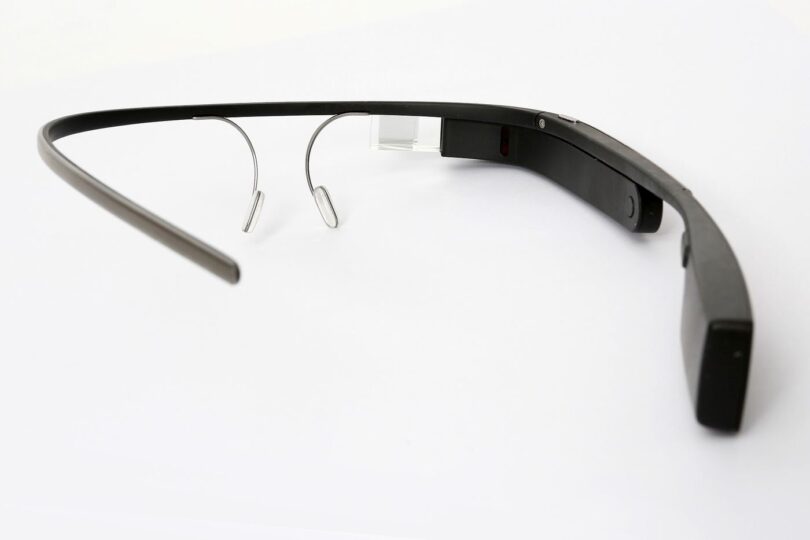

Smart glasses, long dismissed as a gadget in search of a purpose, are having their biggest year yet. Shipments reached 2.25 million units in the first quarter of 2026, up 167 percent on the same period a year earlier, according to IDC, and forecasts put the full year at around 20 million units, up from roughly 6 million in 2025. The growth is being driven not by flashy display glasses, but by simpler models with a camera, microphones, open-ear speakers and a voice assistant, and no screen in the lens. Those display-free models accounted for 96 percent of shipments in the first half of 2026. Meta’s Ray-Ban glasses dominate the market, with Meta holding about 69 percent of the global market in the first quarter, and EssilorLuxottica said it sold more than 7 million pairs across 2025. The appeal is practical: hands-free photos and video, music and calls, and quick answers from an AI assistant without pulling out a phone.
What the Evidence Shows
The next wave is already arriving. Samsung unveiled its Galaxy Glasses in July 2026, built around Google’s Gemini assistant, with no display in the first version, and analysts expect it could sell around 2 million units in 2026. Google is also working with Warby Parker and Gentle Monster on Gemini-powered frames, with preorders opening in November 2026. Display glasses, which project navigation prompts or captions into the lens, remain a small and expensive niche: the Ray-Ban Meta Display costs 799 dollars and runs for about six hours, against eight hours for the 379 dollar Ray-Ban Meta Gen 2. Privacy is the main friction, with questions about recording in public places and a proposed ban on wearing camera glasses in some public spaces in Norway. For buyers, the advice is simple: the no-display models are the mature choice today, and the screen is worth paying for only if you will use it every day. Reporting and analysis from sources such as IEEE Spectrum track the same developments, and specialists following smart glasses sales 2026 say the direction is now consistent across independent lines of evidence.
The Wider Context
Adoption of smart glasses sales 2026 follows a familiar pattern with an unfamiliar speed. Early users tolerate rough edges in exchange for advantage, mainstream users arrive when the tool disappears into existing workflows, and the market consolidates around whoever made that transition feel effortless. Vendors are racing less on raw performance now than on integration, support and trust.
What Happens Next
The realistic forecast for smart glasses sales 2026 is steady integration rather than sudden replacement: embedded in products people already use, improving in increments, and regulated in proportion to its reach. The companies and institutions that plan on that basis, training staff and redesigning processes instead of chasing launches, are the ones the adoption data tends to vindicate. You can follow related developments in our coverage of technology.
It is also worth remembering how quickly the picture in this area has changed before. Positions that looked settled a few years ago have been revised as new data arrived, and the same humility is appropriate now. The strongest coverage of this subject, and the most useful advice, tends to come from sources that update their views openly when the facts move, rather than defending an earlier position long after it has stopped fitting the evidence available.