
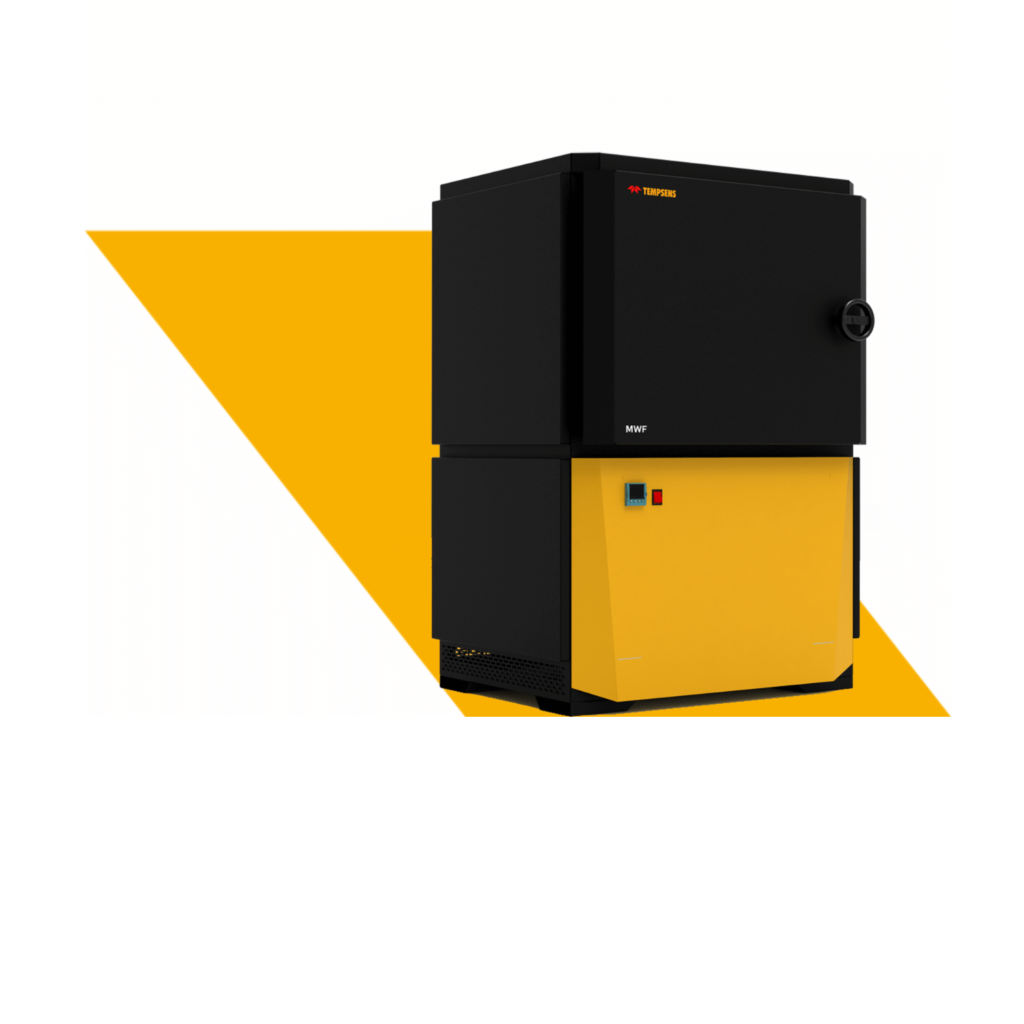
Efficiency and sustainability are now essential to success in modern industrial practices. Traditional heating methods typically rely on electrically heated surfaces, which are slow and inefficient conduits of energy, wasting both time and energy. With the advent of microwave heater technology, major changes to this practice are on their way. By using electromagnetic waves to directly generate heat from the material being heated, this technology provides unprecedented efficiency that traditional ovens lack. Whether in the manufacture of ceramics or food products, microwaves are becoming an industrial game-changer.
Volumetric Heating Science
In terms of technology, there has been a significant shift from heating by conduction or convection to heating by volumetric methods. Traditional techniques like heating by conduction or convection begin from the outside and work their way inward into the object; whereas, in microwave heaters, the interaction of microwaves with the material’s dielectric properties causes some vibrations in the molecules that result in heating.
Heat Production Inside:
Conventional heaters rely on the air surrounding them for conduction of heat in the food, but microwaves heat up the food from the inside since microwaves get into the food and heat both the internal parts and the outer surface of the food.
Microwave Heating’s Instant Heating Characteristics:
Microwave units (as opposed to fossil fuel-powered units) can switch on and off instantaneously, as they do not take time to heat or cool, making them very useful in handling temperature/changing materials and/or chemically reactive mixtures.
Microwave Heating’s Selective Heating Ability:
Microwave energy can be used to selectively heat a specific section of a matter, i.e., in a chemical mixture, the moisture would be heated with the solid element remaining cold. Such selectivity not only reduces unnecessary energy consumption but also enables reactions that would be difficult to achieve using traditional methods.
Applications of Microwave Heaters in Industry
Microwave heating appliances are flexible and adaptive, heating food using different forms of heating equipment such as convection, conduction, and microwaves. They allow numerous industries to use a microwave oven to heat many types of materials.
Advanced Ceramics and Metals Created by Microwaves:
Microwave heating technology allows for effective and efficient methods of sintering and curing advanced ceramics and metals. Microwave ovens can be used to sinter or cure advanced ceramic and metal alloy materials at high temperatures for a short period of time.
Food & Beverage Processing:
Microwave heating is used in large-scale food production processes, including tempering frozen foods, pasteurisation, and drying food items such as cereals and snacks. This rapid process helps preserve nutrients, taste, and colour in processed foods.
Chemical and Pharmaceutical Synthesis:
The key aspect of precision in the chemical manufacturing industry is achieved through the use of microwave heaters for solvent evaporation and microbial reduction, with temperature tightly controlled.
Strategic Advantages for the Manufacturer
A move towards microwave heating not only provides a faster process but also gives the manufacturer many other strategic advantages.
Energy Efficiency:
The microwave is much smaller in size compared to large industrial ovens/dryers, resulting in companies being able to use the original footprint of the unit for floor space instead of adding more machines.
Space-efficient device:
Compared to large industrial ovens or dryers, a microwave unit occupies substantially less space, allowing companies to utilise their floor space and expand production capacity.
Quality of Product:
Microwave heating has been shown to produce a lower overall heat history of the material through methods of the “ingress” and “egress” time of the material in relation to the heat source (high heat) and therefore will have minimised the exposure time to high-temperature which in turn can eliminate thermal degradation of the products made from those materials.
Sustainable & Green Manufacturing:
In view of growing regulations on carbon dioxide emissions, microwaves are much better suited than the furnace method, given the electric-powered nature of microwave heaters. No emissions relating to combustion can be produced during manufacture, thus helping to create sustainable business practices.
Meeting the Implementation Challenges
Implementation of microwave heaters presents some challenges to be addressed in implementing forms of microwave heating equipment, even with the many benefits associated with them.
Material Suitability Testing:
Each material must be tested individually to determine whether it absorbs microwaves properly. Some materials will require “susceptors,” which are microwave absorbers, to help initiate heating, since not all materials absorb microwaves efficiently.
Engineering of Unique Systems:
In most cases where industrial-scale heaters are used, customised applicators and waveguides may be required to distribute energy uniformly along the item. This will require extensive engineering to prevent any overheating in some areas.
High Cost but Long-term Financial Gain:
Although microwave technology equipment will be more expensive than conventional technologies, the initial cost will be offset by savings from lower utility costs and increased output.
Future of Microwave Thermal Processing
In the coming years, the adoption of Industry 4.0 will be marked by an increased use of intelligent sensors and IoT in combination with microwave heaters.
Real-time Process Control:
In the future, advanced sensors will be used to monitor the moisture levels and temperature of material while being processed; this will help to determine the appropriate amount of microwave energy delivered for producing the best quality results and will help ensure that all human error is eliminated and the most efficient level is achieved.
Hybrid Heating Systems:
Numerous factory-type facilities have either begun implementing hybrid heating systems or are set to do so soon due to their advantages over conventional methods, including the use of microwave heaters alongside conventional methods for heating some products. Hybrid heating allows the use of a conventional heating system to heat the exterior of each product and microwave heating systems to penetrate the entire product.
Nanotechnology and Composite Materials:
The importance of this type of material is evident in many industries, such as aerospace, defence, and alternative energy, where the traditional methods of heating are unable to provide sufficient levels of heat.
Conclusion
To conclude, the introduction of microwave heaters will change the face of thermal technology within the industry. This method offers an alternative means of both heating and processing products faster and much more efficiently and accurately than traditional methods. Switching to volumetric heating technology reduces energy prices and produces higher-quality end products. As companies that produce goods strive for improved cost savings and ecological sustainability, companies that develop such devices will continue to grow rapidly in importance. If you’re looking to maintain your competitive advantage, you should think about collaborating with a well-established organisation like Tempsens that has access to state-of-the-art microwave heaters.