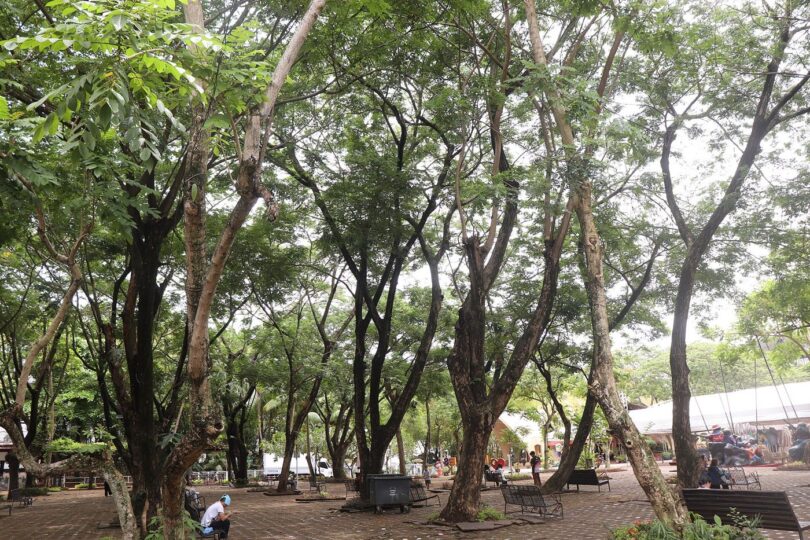

During heatwaves, the difference between a street in full sun and one shaded by trees can be several degrees, and for older people and those with health conditions, that difference can be the line between discomfort and danger. Researchers studying urban heat have found that cities trap warmth in concrete, asphalt and brick, releasing it slowly through the night so that temperatures stay high long after sunset. Trees are the most effective countermeasure, cooling the air through shade and by releasing moisture from their leaves, and studies show that tree-lined streets stay measurably cooler than bare ones. Health officials say the findings have practical consequences: shade should be treated as public health infrastructure, planned and funded like any other service. Cities are now mapping their hottest neighbourhoods, and the maps often show that the areas with the fewest trees are also the poorest, making shade an issue of fairness as well as comfort. The research comes as heatwaves grow longer and hotter, putting pressure on cities to protect the people most at risk from extreme temperatures.
What the Evidence Shows
Planting trees is not a quick fix, since a young sapling takes years to grow a canopy large enough to shade a pavement, and many cities struggle to keep new trees alive through dry summers. Urban foresters are experimenting with hardier species, better soil and watering systems that give young trees a stronger start. Temporary shade also helps: awnings, canopies and shade sails over markets and playgrounds can be installed in a single season, and some cities are opening cooled public buildings as refuges during the hottest days. Researchers say the most successful programmes combine planting with building design, using light-coloured roofs and walls that reflect heat rather than absorbing it. For residents, the message is simple: on the hottest days, the shaded side of the street is the safer place to walk. Health workers are also distributing simple advice during heatwaves, reminding people to drink water regularly and to check on elderly neighbours living alone. Reporting and analysis from sources such as National Science Foundation track the same developments, and specialists following the life-saving city shade say the direction is now consistent across independent lines of evidence.
The Wider Context
The wider context is a research landscape in which replication and open data now decide reputations. Findings connected to the life-saving city shade are being checked by independent groups with shared datasets, and the teams involved publish their methods in full so rivals can test every step. That discipline is slower than a headline cycle, but it is why results in this area increasingly survive first contact with scrutiny.
What Happens Next
What happens next in the story of the life-saving city shade will be decided by follow-up work already under way: larger samples, longer observation and instruments that have not yet come online. The researchers involved are unusually united on one point, that the current results justify the next investment of time and money. Readers will not have to wait long for the first tests of that claim. You can follow related developments in our coverage of science.
There is a practical lesson in all of this for readers deciding what to do today. Start with the verified facts, be wary of anyone promising certainty, and prefer reversible steps while the evidence is still developing. Circumstances differ by country, income and personal situation, so general guidance should always be weighed against your own context before you act on it in any significant or lasting way.