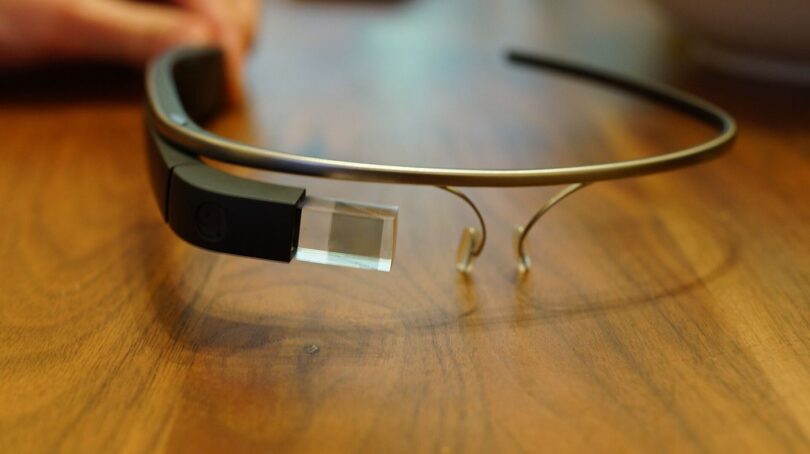

Standing in an unfamiliar station, surrounded by signs in a language you cannot read, is a familiar traveller’s moment, and smart glasses are being developed to dissolve it. Recent models pair a small camera with translation software that recognises text in the wearer’s view and overlays a translation directly onto the scene, so a departure board, menu or street name appears readable without reaching for a phone. The appeal over a handset is immediacy and context: the words stay attached to the sign they belong to, and the traveller’s hands and attention remain free. Making that work reliably is a chain of hard problems. The camera must capture clear text in poor light and at awkward angles, character recognition must handle many scripts and typefaces, and translation must be fast enough that the overlay does not lag behind a moving head. Designers are also confronting social questions, because glasses with cameras attract suspicion in some settings, and manufacturers increasingly add visible recording indicators and on-device processing options. Battery life, weight and plain appearance matter as much as software, since travellers will only wear devices that feel like ordinary eyewear rather than a demonstration rig.
What the Evidence Shows
Translation quality remains the deciding factor, and current systems handle short, standardised text far better than idiom, handwriting or wordplay. Station signs, allergen labels and transport notices, which use limited vocabulary and clear lettering, are ideal early territory. Restaurant menus and official forms expose the gaps, where a confident but wrong translation could cause real trouble, so responsible products display uncertainty and keep the original text visible alongside the rendering. Offline language packs are a priority for developers, since travellers are often abroad precisely when connectivity is expensive or absent, and sending images of everything a person looks at to remote servers raises privacy concerns that local processing avoids. There are accessibility dividends at home too. Competition among manufacturers is pushing prices down and designs toward subtlety, while regulators consider how camera eyewear fits existing rules in workplaces, schools and secure venues. The destination is clear enough: eyewear that quietly removes language friction from the physical world, provided accuracy and trust can keep pace with the demonstration. Reporting and analysis from sources such as IEEE Spectrum track the same developments, and specialists following smart glasses sign translation say the direction is now consistent across independent lines of evidence.
The Wider Context
Adoption of smart glasses sign translation follows a familiar pattern with an unfamiliar speed. Early users tolerate rough edges in exchange for advantage, mainstream users arrive when the tool disappears into existing workflows, and the market consolidates around whoever made that transition feel effortless. Vendors are racing less on raw performance now than on integration, support and trust.
What Happens Next
The realistic forecast for smart glasses sign translation is steady integration rather than sudden replacement: embedded in products people already use, improving in increments, and regulated in proportion to its reach. The companies and institutions that plan on that basis, training staff and redesigning processes instead of chasing launches, are the ones the adoption data tends to vindicate. You can follow related developments in our coverage of technology.
It is also worth remembering how quickly the picture in this area has changed before. Positions that looked settled a few years ago have been revised as new data arrived, and the same humility is appropriate now. The strongest coverage of this subject, and the most useful advice, tends to come from sources that update their views openly when the facts move, rather than defending an earlier position long after it has stopped fitting the evidence available.