
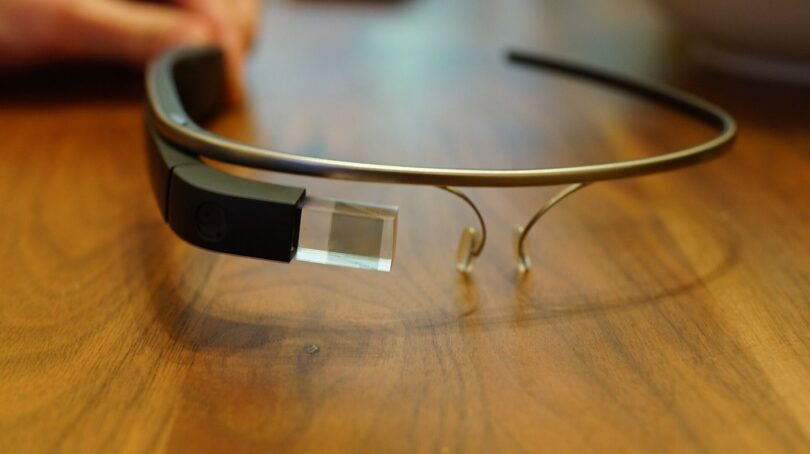

Smart glasses are edging away from novelty gadgets towards practical tools for everyday assistance, with newer designs that look closer to ordinary eyewear. Current models focus on a modest set of functions: taking photos hands free, listening to directions or messages through small speakers, translating signs, and answering questions about what the wearer is looking at. Manufacturers have learned from earlier failures that comfort, battery life, and social acceptability matter as much as technical ambition. Glasses that feel heavy, look conspicuous, or record without clear signals quickly lose the trust of wearers and bystanders alike. Designers are also working on longer lasting batteries and clearer displays in bright sunlight, two persistent weaknesses that have limited earlier models during full days of outdoor use.
What the Evidence Shows
Privacy features are now marketed prominently, including visible lights that show when a camera is active and physical controls for muting microphones. For people with low vision or hearing difficulties, some functions offer genuine accessibility benefits, such as reading text aloud or captioning conversations. Prices remain high compared with ordinary glasses, and prescription options are still limited in many markets. Retailers report growing curiosity but cautious buying, with many customers trying demonstrations before deciding. Analysts expect gradual progress as components shrink, rather than a single breakthrough moment that puts smart glasses on every face. Opticians are watching the market closely, since fitting, repairing, and adjusting technology laden frames could become a regular part of their work if adoption continues to grow steadily from here. Reporting and analysis from sources such as IEEE Spectrum track the same developments, and specialists following practical smart glasses for daily use say the direction is now consistent across independent lines of evidence.
The Wider Context
Adoption of practical smart glasses for daily use follows a familiar pattern with an unfamiliar speed. Early users tolerate rough edges in exchange for advantage, mainstream users arrive when the tool disappears into existing workflows, and the market consolidates around whoever made that transition feel effortless. Vendors are racing less on raw performance now than on integration, support and trust.
What Happens Next
The realistic forecast for practical smart glasses for daily use is steady integration rather than sudden replacement: embedded in products people already use, improving in increments, and regulated in proportion to its reach. The companies and institutions that plan on that basis, training staff and redesigning processes instead of chasing launches, are the ones the adoption data tends to vindicate. You can follow related developments in our coverage of technology.
It is also worth remembering how quickly the picture in this area has changed before. Positions that looked settled a few years ago have been revised as new data arrived, and the same humility is appropriate now. The strongest coverage of this subject, and the most useful advice, tends to come from sources that update their views openly when the facts move, rather than defending an earlier position long after it has stopped fitting the evidence available.