
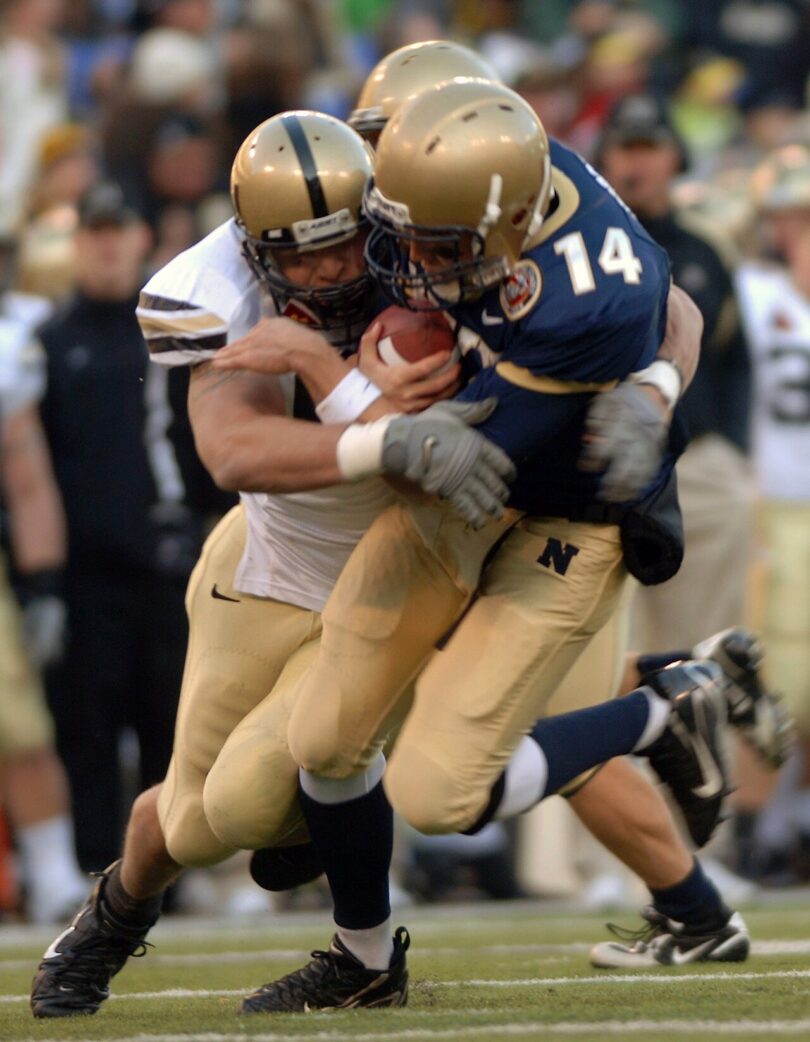

Divisions are supposed to sort themselves out by now. The NFC North has declined. Its standings remain compressed into one of the tightest races in the league, with every team carrying a realistic route to the title and the division’s tiebreakers, not any team’s reputation, shaping who the favourite actually is.
Parity at this level is self-reinforcing. North teams play each other twice, draft from similar positions and trade within the same film ecosystem, so advantages get studied and erased quickly. What remains is execution over the final third of the season, when the schedule turns inward and every game is a four-point swing: one in the win column, one against a rival’s.
Reading the Tiebreakers Correctly
If teams finish level, the division is settled first by head-to-head record, then by record within the division, then by common opponents. That hierarchy makes the remaining divisional fixtures the most valuable inventory on the schedule and explains the intensity with which they are already being discussed. The live picture, updated weekly, is maintained on the NFL’s official standings page, and the analytical view, including remaining-schedule strength, is tracked at ESPN.
The Run-In’s Deciding Factors
Three variables stand out. Quarterback availability, in a division where the drop to the backup is steepest at exactly the position that matters most. December weather, which converts outdoor home games into a genuine edge for run-strong rosters. And the turnover ledger in divisional play, where familiarity between opponents produces the league’s most volatile interception rates. Our sports coverage is following each factor through the run-in.
What Is Actually Being Contested
The champion’s prize is concrete: a home playoff game and the rest advantage that comes with the division’s seeding, while equally credentialed runners-up face January road trips. In the current conference, that difference plausibly decides who plays in the championship round. Expect the North to be settled in the season’s final fortnight, and expect the settlement to feel less like a crowning than a survival.
The Schedule’s Hidden Leverage
Beneath the standings lies the schedule’s quiet arithmetic. The North’s remaining fixtures are not evenly distributed: some contenders draw their toughest divisional games at home, where cold-weather familiarity is a real edge, while others must win those same games on the road in December conditions. Rest differentials matter too. Teams coming off mini-byes or Thursday games face opponents on full rest, and in a division separated by a game, one rest-advantaged win can be the margin between hosting in January and travelling. Then there is the interconference variable. The AFC opponents each North team draws differ in strength, which means identical records can hide different resumes, and the tiebreak machinery is designed to notice. Conference record sits below common games in the hierarchy but has decided wild-card fates before, and the North’s runner-up may well need it. Coaches downplay all of this publicly, insisting they control only the next game. Privately, their analytics departments have mapped every scenario, because in a division this tight, the difference between the one seed path and the five seed path can come down to a November kickoff time and a gust of lake-effect wind.
Neutral fans should enjoy the arrangement while it lasts. Four-team races with no soft opponent are historically rare, and realignment of talent will eventually restore the division’s hierarchy. For now, the North is the rare race where the preview of any game is the same honest sentence: nobody knows, and that is exactly why everybody watches.