
Plastic waste is one of those things people can’t really unsee anymore. You order groceries and end up throwing away plastic wrapping before the food even reaches the fridge. You get a courier delivery, and somehow there’s plastic inside plastic inside more plastic. Even tiny products come with layers of packaging nobody asked for, and most people are left standing near the dustbin, wondering whether any of it actually gets recycled properly or not. It’s frustrating. A little exhausting too sometimes.
Consumers notice these things more now because they’re dealing with the waste directly inside their homes every single day. Kitchen bins fill faster. Storage drawers get packed with leftover packaging. And honestly, people have heard so many “sustainable” brand messages already that they don’t automatically believe them anymore.
That’s why EPR conversations are becoming harder for companies to ignore.
For FMCG businesses, especially, managing packaging waste has turned into a complicated internal headache because every department usually works with different priorities. Procurement teams want lower material costs. Packaging teams care about product safety and shelf appearance. Sustainability teams are stuck collecting scattered data from everyone else right before reporting deadlines show up.
And yes, it becomes chaotic fast. Still, more businesses are starting to realize that EPR isn’t only about staying compliant anymore. It can actually help companies clean up waste systems that weren’t working properly in the first place. That’s where EPR plastic credits start becoming useful.
What Are EPR Plastic Credits?
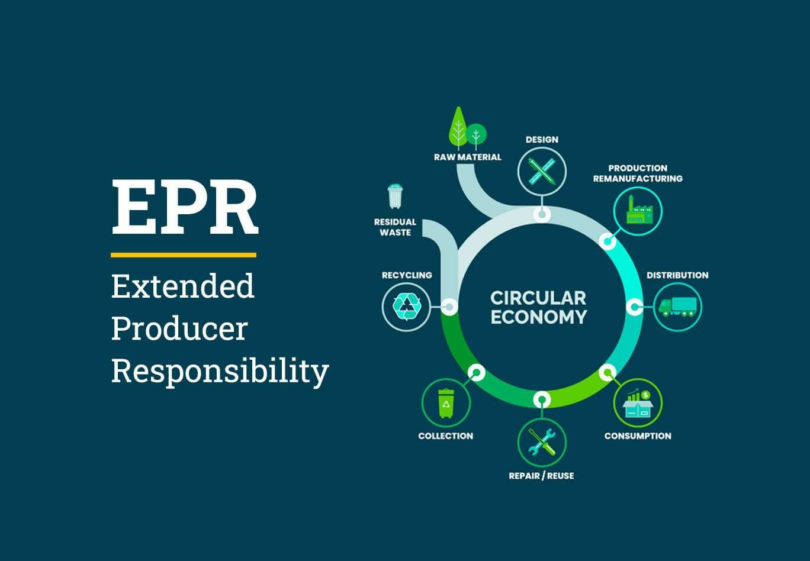
The idea sounds more technical than it actually is. Basically, if a company sells products using plastic packaging, it’s expected to take responsibility for the waste created after customers finish using those products, too. The responsibility doesn’t just end once the product gets sold.
Now the challenge is that most companies don’t own recycling plants or waste collection systems themselves. They depend on recycling partners and waste management companies to collect and process plastic waste properly. That’s why EPR plastic credits have become important for businesses trying to meet EPR requirements without building entire recycling systems from scratch.
Businesses buy credits to meet targets while supporting real recycling work already happening in different parts of the country.
No, it doesn’t magically fix the entire plastic problem. Obviously not.
But it does give companies a more practical way to participate instead of just publishing sustainability promises online, while packaging waste quietly keeps increasing in the background year after year.
Why More Companies Are Taking EPR Seriously
A few years ago, broad environmental messaging worked pretty well for brands.
Now consumers want specifics. People want to know if packaging can actually be recycled. They want proof that waste collection is happening somewhere beyond a marketing campaign. Because honestly, regular households are already tired of dealing with piles of snack wrappers, courier packaging, plastic containers, tiny sachets, and food delivery waste that keeps building up faster than most people can manage. So companies are being pushed to pay more attention.
Once businesses start measuring packaging waste properly, they usually discover problems they hadn’t fully noticed before. Too much unnecessary packaging. Materials recyclers struggle with handling. Extra layers were added mostly for appearance, while creating more waste later for consumers trying to throw everything away responsibly.
And slowly, the conversation changes inside companies too.
Instead of:
“How do we complete compliance?”
It becomes:
“How do we reduce all this unnecessary waste overall?”
Honestly, that’s probably the better question anyway.
Practical Ways Companies Can Use EPR Credits Better
Some companies still treat EPR like a rushed yearly activity. Buy credits. Submit documents. Forget about it till next year.
That approach usually creates bigger problems later.
The businesses getting better results are usually building proper systems around packaging data, recycling partnerships, and waste tracking instead of handling everything at the last minute when deadlines suddenly appear.
1. Start With a Real Packaging Audit
This sounds obvious, but lots of businesses still don’t fully know how much plastic they’re actually putting into the market across different regions and product categories.
Different departments often work separately, and that creates reporting gaps later. Procurement focuses on cost. Packaging teams care about functionality and design. Sustainability teams end up chasing information from multiple departments days before compliance filings are due.
A proper packaging audit helps companies understand:
- Which packaging materials are being used most
- Which packaging formats are hardest to recycle
- Where unnecessary plastic can possibly be reduced
- Which regions still struggle with waste collection systems
Without that visibility, reporting becomes messy very quickly.
2. Work With Recycling Partners You Actually Trust
Consumers have become skeptical for good reason, honestly. They’ve seen too many brands make vague environmental claims without showing much transparency behind those promises.
That’s why traceability matters much more now.
Reliable recycling partners usually help companies with:
- Proper documentation
- Verified waste recovery records
- Compliance support
- Consistent reporting updates
Strong partnerships also make EPR plastic credits more trustworthy and reduce future compliance risks for businesses.
People want to know whether waste workers are being treated fairly inside these systems. That conversation is growing faster than many brands expected.
3. Use EPR Insights to Improve Packaging
This gets ignored surprisingly often. Recovery data can show companies which packaging materials create recycling problems later. Sometimes, very small packaging adjustments improve recyclability more than expected without affecting product quality much at all.
Not every improvement needs to be dramatic. Even reducing one extra plastic layer across millions of products can reduce a huge amount of waste over time when you really think about the scale involved.
4. Talk Honestly About Sustainability
Consumers don’t expect brands to be perfect. They just expect honesty now.
People already deal with enough waste at home every day. Grocery wrappers stuffed into drawers. Delivery packaging is piling near the dustbins. Tiny plastic packets nobody knows what to do with afterwards. So when companies make giant environmental promises without showing real action, consumers usually spot the disconnect pretty quickly. That’s why simple communication works better now.
Companies should openly talk about:
- How much plastic waste was recovered
- Whether recyclable packaging has increased
- Which recycling systems are they supporting
- What waste reduction goals still need work
Straightforward communication usually feels far more believable than overly polished sustainability campaigns anyway.
Final Thoughts
EPR isn’t only about compliance paperwork anymore. It’s slowly becoming part of how responsible companies operate because consumers, regulators, and investors are all paying much closer attention to packaging waste than they used to. And honestly, no single company can fix the plastic waste problem alone.
Real progress usually happens when recyclers, brands, waste workers, and sustainability teams actually work together instead of pushing responsibility around whenever rules become stricter again.
Banyan Nation is one company helping improve recycling systems and plastic circularity in India through partnerships with businesses and recovery networks. Work like this takes time, though. Recycling ecosystems don’t suddenly improve in a few months. Sometimes the progress feels slow from the outside, but small, consistent improvements usually matter much more than flashy sustainability campaigns people forget about later anyway.