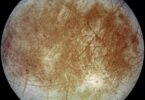
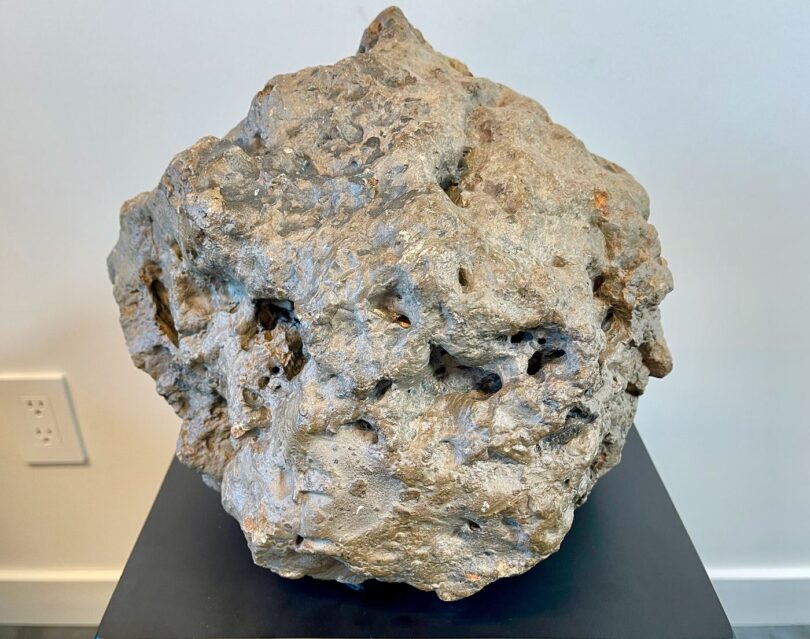

ESA’s Hera spacecraft is closing in on the Didymos binary asteroid system to carry out a detailed survey of the site where NASA’s DART mission crashed into the smaller asteroid Dimorphos in 2022. From about 60 kilometres away, Hera has captured close-up images with its monochrome Asteroid Framing Camera, showing the roughly 780-metre Didymos clearly, while much of the 151-metre Dimorphos remains in shadow. The images reveal a previously unseen hemisphere of Didymos with boulders, craters and possible grooves or ridges. DART’s impact shortened Dimorphos’s orbit by about 33 minutes, but whether the strike left a crater, reshaped the body, or both still needs near-field data.
What the Evidence Shows
Hera’s mission is often described as a crash-site autopsy, and it matters for planetary defence. If humanity ever needs to deflect a genuinely dangerous asteroid, we must know exactly what a kinetic impact does to a real asteroid, not just what computer models predict. Dimorphos may have been reshaped, fragmented or left with a crater, and each outcome changes how future deflection missions should be planned. Hera will spend months mapping both asteroids in detail, measuring their mass, structure and the debris left behind. The results will feed directly into plans for protecting Earth from asteroid impacts, making this one of the most practical space missions ever flown. Scientists will also study the dust and debris thrown off by the impact, since the size and spread of that material can reveal how much momentum an asteroid impactor actually delivers, and that knowledge could one day mean the difference between a successful deflection and a failed attempt to save a city. Reporting and analysis from sources such as National Science Foundation track the same developments, and specialists following ESA’s Hera probe photographing the asteroid crash site say the direction is now consistent across independent lines of evidence.
The Wider Context
The wider context is a research landscape in which replication and open data now decide reputations. Findings connected to ESA’s Hera probe photographing the asteroid crash site are being checked by independent groups with shared datasets, and the teams involved publish their methods in full so rivals can test every step. That discipline is slower than a headline cycle, but it is why results in this area increasingly survive first contact with scrutiny.
What Happens Next
What happens next in the story of ESA’s Hera probe photographing the asteroid crash site will be decided by follow-up work already under way: larger samples, longer observation and instruments that have not yet come online. The researchers involved are unusually united on one point, that the current results justify the next investment of time and money. Readers will not have to wait long for the first tests of that claim. You can follow related developments in our coverage of science.
There is a practical lesson in all of this for readers deciding what to do today. Start with the verified facts, be wary of anyone promising certainty, and prefer reversible steps while the evidence is still developing. Circumstances differ by country, income and personal situation, so general guidance should always be weighed against your own context before you act on it in any significant or lasting way.