
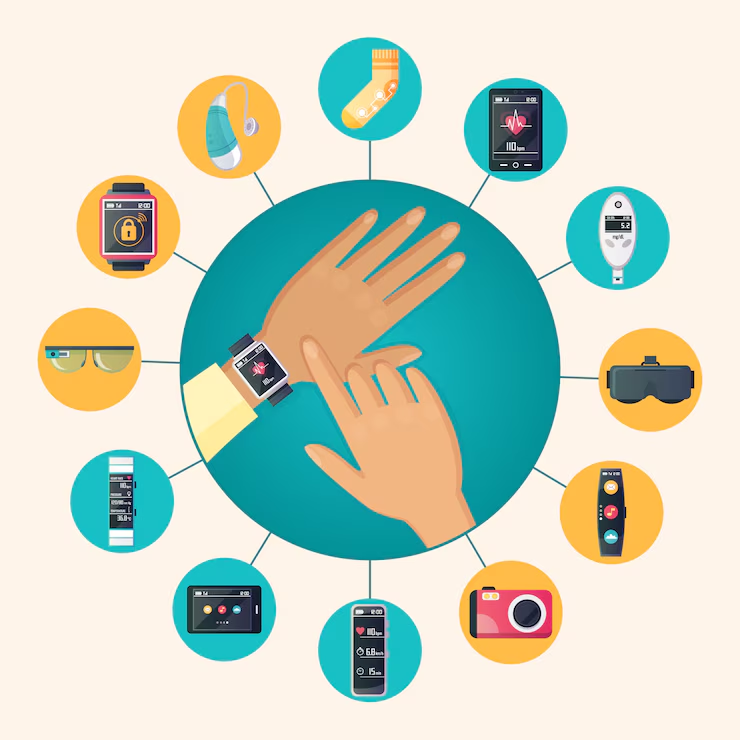

Smart rings vs smartwatches: Which is smarter? At newspackets, this debate is heating up as wearables rapidly evolve. Both pack power into compact designs—smart rings offer silent, minimalist efficiency, while smartwatches lead with interactive screens and rich features.
Choosing between them depends on what matters more: subtle style and battery life, or app control and real-time data. Let’s explore which wearable fits your lifestyle best.
Smart Ring Advantages: Minimalism Meets Functionality
Smart rings pack sensors for heart rate, sleep tracking, and activity monitoring into a tiny, stylish band. They offer powerful features without pulling attention, making them ideal for subtle tracking throughout the day and night. Battery life can last up to a week, which is a major plus.
Their design is more natural for constant wear, especially for those in professional settings or with sensory issues. Smart rings sync well with phones but don’t buzz with constant notifications, helping users stay focused without sacrificing data.
Smartwatch Advantages: Power on Your Wrist
Smartwatches boast rich features with colorful displays, app support, voice commands, and advanced health monitoring. These wrist companions offer step tracking, ECG, oxygen monitoring, GPS, and music control, making them full-scale mini-computers.
While larger than smart rings, they appeal to those who want all-in-one tech. For fitness buffs or multitaskers, smartwatches keep data, notifications, and functionality all in sight, offering real-time interaction with your digital life.
Design & Comfort: Discreet Ring vs Bold Watch
Smart rings offer sleek, discreet designs suitable for everyday wear, even with formal outfits. They’re lightweight, stylish, and hardly noticeable once worn. Watches, on the other hand, are bulkier but allow more design variety and screen-based personalization.
For users valuing comfort and minimalism, rings are the go-to. For those who enjoy visible gadgets with flair and features at a glance, smartwatches take the lead.
Battery Life & Charging: One Week vs One Day
One major distinction is how often you need to charge. Smart rings tend to last between 5 to 7 days thanks to their simple UI and limited notifications. Smartwatches, due to heavy screen use and processing power, often need daily charging or every other day.
This alone makes smart rings a better companion for travel, sleep tracking, or extended use without charging stress. Smartwatches, despite needing frequent charging, offer more in return for power consumed.
App Integration & Ecosystem
Smartwatches connect deeply with ecosystems like Apple, Google, and Samsung, giving users access to hundreds of apps, music, calls, and payment systems. They’re perfect for users who want all tech synced in one place.
Smart rings, while improving, still focus mostly on fitness and health data. Their app ecosystems are growing but remain more specialized and less cluttered, offering streamlined reports over interactivity.
Health Tracking: Which Tracks Better?
Both devices now offer detailed health tracking. Smartwatches can provide real-time ECG, blood oxygen, and heart rate with immediate visuals. They’re ideal for active users or those with health conditions.
Smart rings, however, excel in passive, round-the-clock monitoring of sleep, heart rate variability, and even readiness scores. They’re designed to track without interruption, perfect for long-term lifestyle monitoring.
Cost Comparison: Budget vs Premium Choices
Smart rings often start around $250-$350, while premium smartwatches can easily cross $400-$700. For users looking to invest in passive data tracking with a smaller footprint, rings offer decent value.
Smartwatches justify their higher prices with added features, screen-based control, and overall utility. Budget options exist, but premium features come with premium prices.
Privacy & Notifications: Staying Focused
Smart rings are designed to minimize distractions. They don’t buzz constantly or flash screens, which helps users stay grounded and mindful throughout the day. This appeals to those craving less tech interruption.
Smartwatches, on the other hand, bring full notification support. From texts to alerts, everything shows up instantly. It’s convenient but may contribute to screen fatigue or distraction over time.
FAQs
Q1.What is the biggest difference in smart rings vs smartwatches?
A:The biggest difference is interaction—smartwatches have screens and offer more features, while smart rings focus on minimalistic, passive tracking.
Q2.Can smart rings replace smartwatches completely?
A:Smart rings can’t replace smartwatches entirely yet. They excel in health monitoring but lack the multi-functionality of watches.
Q3.Which is better for sleep tracking?
A:Smart rings usually offer better sleep tracking since they’re less intrusive, more comfortable overnight, and designed for 24/7 wear.
Q4.Are smartwatches more accurate than smart rings?
A:In certain cases, yes. Smartwatches often offer real-time ECG and advanced sensors, but smart rings are improving and offer reliable long-term tracking.
Q5.Do smart rings have notifications?
A:Most smart rings don’t support detailed notifications. They focus on fitness and health tracking with minimal distractions.
Q6.Which wearable lasts longer on a single charge?
A:Smart rings generally last longer, with battery life up to a week, compared to smartwatches which usually need charging every day or two.
Conclusion:
Both devices cater to different needs. Smartwatches offer versatility and dynamic control, while smart rings deliver quiet, focused tracking. Choosing between smart rings vs smartwatches depends on lifestyle, not just specs. Each has carved its own smart niche in 2025’s tech landscape.