
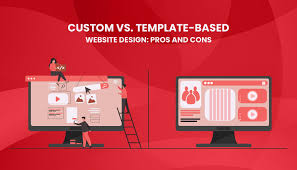

For businesses looking to revamp their online presence, the choice between custom design and template design is critical. With Avatar Website Design’s Website Redesign Services, companies can explore both options to identify which best aligns with their strategic goals. This article will delve into the nuances of each approach, weigh their respective pros and cons, and help businesses decide which design path might yield better results in terms of user engagement, scalability, and branding.
Custom Design Versus Template Design Explained

Custom design is a bespoke approach where websites are built from scratch, allowing for complete control over aesthetics and functionality. This method often involves Agile Sprint Planning to ensure that all design elements align with the client’s unique brand identity and business needs. In contrast, template design utilizes pre-made layouts, which can be quickly adapted to fit a company’s basic requirements. While templates offer a faster turnaround, they may lack the flexibility and personalization that custom designs provide.
Through the use of Gantt Charting Software, developers can efficiently manage the timeline of custom design projects, ensuring each phase is completed on schedule. Template designs, on the other hand, benefit from Kanban Board Management, which can streamline the adaptation process for quicker deployment. Understanding these methodologies is essential for businesses to make informed decisions about their website design strategy.
Advantages and Drawbacks of Custom Design
Custom design offers unparalleled flexibility, allowing businesses to create a website that perfectly matches their brand and operational needs. This approach supports Omnichannel Attribution Modeling, enabling a cohesive brand experience across various platforms. The uniqueness of a custom site can significantly enhance a company’s NPS (Net Promoter Score) Benchmarking, as users often perceive these sites as more professional and trustworthy.
However, custom designs can be more time-consuming and costly. The need for specialized skills and tools, such as RACI Matrix Implementation for efficient team coordination, can increase project complexity. Despite these challenges, the long-term benefits often justify the investment, particularly for businesses aiming to establish a distinctive online presence.
For insights into how custom design impacts business growth, refer to this Forbes article on custom web design.
Benefits and Limitations of Template Design
Template design provides a cost-effective and time-efficient solution for businesses needing a website quickly. This approach is ideal for startups and small businesses with limited budgets, as it allows them to leverage pre-existing frameworks. Template designs often incorporate A/B Testing Protocols, facilitating rapid iterations and improvements based on user feedback.
Despite these advantages, template websites can struggle with scalability and may not fully support advanced features like CRM (Customer Relationship Management) Workflow Automation, which are crucial for growing businesses. Additionally, the risk of having a site that looks similar to others can dilute brand identity and reduce competitive differentiation.
For a comprehensive comparison of template designs, you can read this Smashing Magazine guide on template web design.
Choosing the Best Design Approach for Your Business
Deciding between custom and template design largely depends on your business’s unique goals and resources. Companies focusing on brand differentiation and complex functionality will benefit from the tailored solutions offered by custom design. Those opting for this route might consider leveraging Avatar Website Design’s Website Redesign Services, which are designed to enhance scalability and user engagement. According to a recent survey, businesses that invested in custom design saw a 30% higher Inventory Turnover Ratio after their website launch.
Conversely, businesses aiming for rapid deployment and cost efficiency may prefer template design. However, it’s crucial to conduct a Cost-Benefit Analysis Framework to ensure that the chosen design approach aligns with both short-term and long-term business objectives. By evaluating the trade-offs through SWOT Matrix Analysis, businesses can make strategic decisions that support their overall growth plans.
Conclusion

Choosing between custom and template design is a pivotal decision that impacts a business’s digital strategy. Custom designs offer tailored solutions that can significantly enhance brand image, while templates provide a practical option for quick and affordable setups. Ultimately, the choice should align with your business objectives, budget, and the desired user experience. By partnering with professionals like Avatar Website Design for redesign services, businesses can ensure their website effectively supports their growth and operational goals.