

Business growth and regulatory compliance are closely connected in today’s competitive business environment. As businesses expand their operations, maintaining proper tax compliance and organised financial processes becomes increasingly important for managing operations smoothly and supporting long-term stability.
GST registration is an important step for businesses that are planning operational growth, expanding into new markets, or strengthening their compliance framework. It helps businesses operate within the formal tax system while improving financial transparency and operational credibility.
A properly completed GST registration can support smoother business operations by helping businesses manage tax compliance, invoicing, and input tax credit processes more efficiently. Understanding the GST registration process also helps businesses prepare for expansion while maintaining organised compliance management and operational efficiency.
Understanding GST Registration
GST registration plays an important role in helping businesses operate within the formal tax and compliance framework. It supports organised financial management, tax reporting, and smoother operational processes for businesses involved in taxable goods or services.
What Is GST Registration?
GST registration is the process through which a business becomes officially registered under the Goods and Services Tax system. The purpose of GST registration is to enable businesses to collect GST, file tax returns, and comply with indirect tax regulations.
Businesses involved in taxable supply of goods or services, interstate transactions, or operations crossing prescribed turnover limits typically require GST registration to operate legally within the GST framework.
Why GST Registration Matters for Businesses
GST registration provides legal recognition for taxable business operations and helps businesses maintain proper tax compliance. It also supports smoother invoicing, tax reporting, and financial documentation processes.
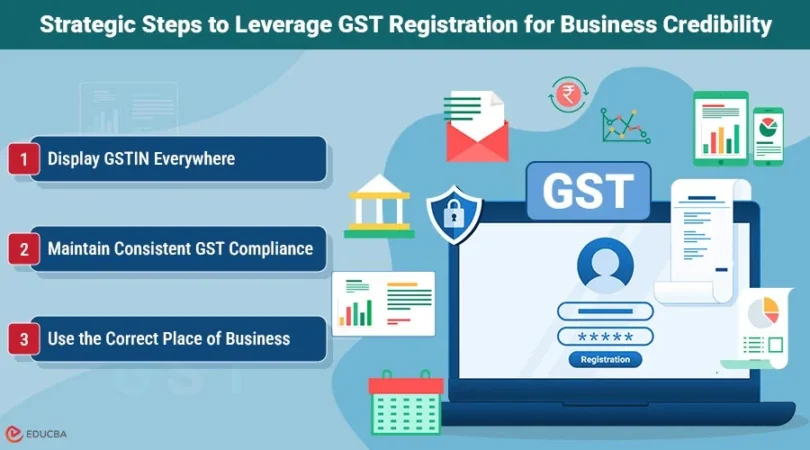
A properly completed GST registration process helps businesses maintain organised operational systems and strengthens credibility among customers, vendors, and business partners.
The Role of GST Registration in Business Expansion
GST registration plays an important role in helping businesses expand operations while maintaining structured compliance and financial management. As businesses grow, proper GST compliance can support smoother operations, stronger credibility, and better market opportunities.
Supports Business Scalability
GST registration helps businesses operate within a more organised and structured framework. This supports smoother operational management as the business expands into new markets or increases its customer base.
A structured tax and invoicing system also helps businesses manage growth more efficiently while maintaining better compliance and operational consistency.
Enables Interstate Business Operations
Businesses involved in supplying goods or services across different states may require GST registration to operate legally and manage interstate transactions smoothly.
GST compliance supports easier movement of goods and services across markets while helping businesses maintain organised tax reporting and documentation.
Creates Opportunities for Larger Business Partnerships
Many companies, vendors, and corporate clients prefer working with GST-registered businesses because it reflects organised compliance and structured business operations.
GST registration can therefore improve opportunities for partnerships, vendor relationships, and participation in larger business transactions.
Improves Business Credibility
A GST-registered business is often viewed as more reliable and professionally managed. This can strengthen trust among customers, vendors, financial institutions, and other stakeholders.
Proper GST compliance also contributes to a more transparent and organised business image in the market.
Facilitates Better Financial Management
GST registration helps businesses maintain structured invoicing, tax records, and financial documentation processes. This improves operational clarity and financial management efficiency.
Organised tax processes also support smoother return filing, input tax credit management, and long-term financial planning for growing businesses.
How GST Registration Supports Compliance
GST registration not only supports business expansion but also plays a major role in helping businesses maintain proper regulatory compliance and organised financial operations. A structured GST framework helps businesses manage taxation, reporting, and documentation more efficiently.
Ensures Adherence to Tax Regulations
GST registration helps businesses comply with applicable tax laws by supporting proper GST collection, reporting, and return filing while maintaining legal operational standards.
Encourages Accurate Record Keeping
GST compliance encourages businesses to maintain organised invoices, transaction records, and financial documents, which helps improve operational and financial management.
Improves Transparency in Business Transactions
Structured GST invoicing and reporting systems improve transparency in business transactions by creating clearer financial documentation and organised tax records.
Reduces Risks Related to Non-Compliance
Proper GST compliance helps businesses reduce operational risks related to incorrect tax reporting, delayed filings, and compliance-related disruptions.
Key Benefits of GST Registration for Growing Businesses
GST registration offers several advantages that support smoother business operations, better compliance management, and long-term business expansion. As businesses grow, GST compliance can contribute to stronger operational efficiency and improved market credibility.
Input Tax Credit Benefits
- Helps businesses claim credit on eligible business purchases
- Reduces overall tax burden on operations
- Supports better cash flow management
- Improves cost efficiency for growing businesses
Better Market Reputation
- Creates a more professional business image
- Builds trust among customers and vendors
- Improves credibility with financial institutions and partners
- Strengthens business transparency and reliability
Improved Operational Efficiency
- Supports organised invoicing and tax management
- Helps maintain structured financial records
- Improves compliance and reporting processes
- Contributes to smoother day-to-day operations
Easier Access to Expansion Opportunities
- Supports interstate business operations
- Improves eligibility for larger business partnerships
- Helps businesses expand into new markets more efficiently
- Creates stronger operational support for future growth
Common Challenges Businesses Face After GST Registration
Businesses often face operational and compliance-related challenges after completing GST registration, especially while managing ongoing reporting and documentation responsibilities. Proper compliance management becomes important for maintaining smooth business operations.
Managing Filing Deadlines
Businesses may find it difficult to track multiple GST return filing deadlines and compliance schedules, especially during periods of operational growth or increased transactions.
Maintaining Accurate Documentation
Proper maintenance of invoices, transaction records, tax documents, and financial data is essential for GST compliance, but managing these records consistently can sometimes become challenging.
Understanding Changing Regulatory Requirements
GST rules and compliance requirements may change over time, making it important for businesses to stay updated with regulatory developments and operational compliance obligations.
Best Practices for Maintaining GST Compliance During Expansion
As businesses expand, maintaining proper GST compliance becomes increasingly important for managing operations smoothly and avoiding unnecessary compliance-related disruptions. Organised financial processes and consistent monitoring can help businesses handle growing compliance responsibilities more efficiently.
Businesses should focus on maintaining accurate records, tracking filing schedules, and regularly reviewing financial activities to ensure compliance requirements are met consistently during periods of growth and expansion.
Best Practices to Follow
- Conduct regular financial and tax reviews
- Maintain organised invoices and tax records
- Monitor GST return filing schedules carefully
- Track compliance deadlines consistently
- Ensure accurate reporting of business transactions
- Review GST-related operational processes periodically
- Maintain proper documentation for audits and verification
- Seek professional guidance when required
Conclusion
GST registration plays an important role in supporting both business expansion and regulatory compliance. As businesses grow, maintaining proper GST compliance helps create a more organised operational framework that supports smoother financial management, structured invoicing, and transparent tax reporting.
A properly managed GST system can also improve business credibility among customers, vendors, financial institutions, and business partners. It supports interstate operations, helps businesses access expansion opportunities, and contributes to better operational efficiency through organised compliance processes.
However, GST registration is not only about obtaining a registration certificate. Businesses must also maintain accurate records, monitor filing schedules, and stay updated with changing compliance requirements to ensure smooth long-term operations.
Understanding the GST registration process and maintaining proper compliance practices can help businesses reduce operational risks while supporting future scalability and growth. By combining structured GST management with organised financial processes, businesses can build a stronger foundation for sustainable expansion and long-term operational success.