
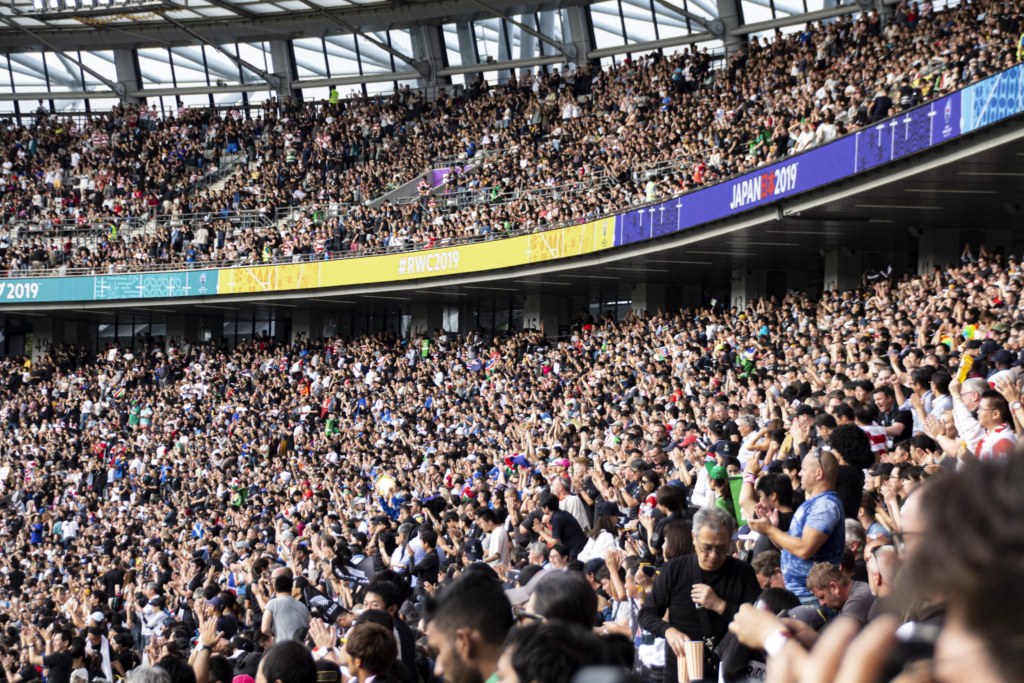
Push notifications vibrate during breakfast, lunchtime timelines scroll at lightning pace, and highlight clips fill evening commutes. The crowd still loves sport, yet free minutes shrink every season. Publishers answer by compressing headlines, stats, and storylines into week-at-a-glance packets that land before attention drifts elsewhere.
Audience-tracking dashboards on spinfin confirm a simple pattern: the shorter the window between curiosity and clarity, the higher the click-through spike. Weekly digests satisfy that craving by bundling everything essential into one reliable drop, leaving deeper features for moments when schedules relax.
What Defines a “Packet” in 2026
A successful packet resembles a power bar rather than a three-course meal. Word count rarely exceeds a single printed page, embedded links point to full recaps, and graphic blocks replace dense paragraphs. Visual consistency teaches subscribers where to locate goal summaries, injury notes, and viewing tips without hunting each time. The rhythm feels comforting, the content feels fresh.
Core Building Blocks Editors Never Skip
- Scoreboard Snapshot
Final tallies across headline leagues appear in one grid so readers verify outcomes at a glance. - Top Performer Tile
A single face or jersey number sits beside standout stats, creating an instant talking point for office banter. - Injury Alert Ribbon
Color-coded icons show status changes—green for cleared, yellow for questionable, red for out—saving fantasy-team managers from last-minute scrambles. - Broadcast Compass
Small clock emojis list local airtimes and streaming platforms for the coming weekend. - Quote of the Week
A bold pull-out line injects personality and often goes viral when shared separately.
Uniform design keeps consumption time under two minutes while still offering enough substance to spark conversation.
Timing Beats Volume
Releasing a packet every Friday catches midweek results and previews marquee fixtures. Internal analytics reveal open rates drop when delivery shifts even a few hours because routine drives habit. Fans plan weekend viewing around the digest; delay creates vacuum, leading timelines to fill with competing content from rival outlets.
Publishers use automation to speed production. Match feeds populate tables, sentiment tools rank emergent storylines, and templated graphics slot in updated numbers. Human editors then polish tone and ensure jokes land without alienating rival supporters.
List Headline: Features That Push Engagement Past the First Scroll
- Micro-Poll Widgets
Two-option votes (“Was that call correct?”) invite readers to tap before swiping away, boosting algorithmic favor. - GIF Replays Under 5 Seconds
A looping alley-oop, diving save, or photo-finish sprint condenses adrenaline into digestible loops acceptable on limited data plans. - Predictive Meter
Simple bars show percentage odds for title races or relegation battles, letting viewers gauge momentum instantly. - Local Lens Sidebar
Region-filtered lines highlight nearby amateur finals or charity runs, grounding global coverage in community relevance. - Merch Drop Codes
Limited discount strings reward early openers and create shareable urgency.
These extras extend dwell time to five minutes without inflating word count.
Balancing Breadth and Depth
Curation remains crucial. Attempting to track every minor league invites clutter that dilutes marquee narratives. Successful outlets choose anchor competitions—Premier League, NBA, F1—then rotate secondary spotlights based on seasonal peaks. Rotations prevent repetitive layouts while reassuring core fans that favorite sports remain front and center.
Writers infuse voice through concise commentary. Three short sentences can celebrate a tactical tweak, question a substitution, or tease an upset. That light analysis adds flavor without demanding the attention span of a twelve-paragraph think piece.
Second List Headline: Common Missteps That Reduce Retention
- Wall-to-Wall Ads
Excess banners break reading flow; one native placement within natural pauses feels acceptable, five feel desperate. - Overloaded Emoji Chains
A few icons guide emotion, but ten basketballs in a row cheapen credibility. - Spoiler Thumbnails
Showing final-score screenshots above headline sections removes suspense and slashes video play rates. - Late-Week Edits
Adding Tuesday results to a Wednesday packet confuses chronology; clarity beats completeness. - Hidden Subscription Hooks
Sudden paywalls mid-scroll frustrate casual visitors; transparent tier markers foster trust and eventual upgrades.
Avoiding these pitfalls protects brand reputation and maintains weekly momentum.
Measuring Success Beyond Clicks
Open rates tell only part of the story. Social shares extend reach, but reply threads reveal sentiment. GIF replay counts show which sports resonate globally, while outbound-link heat maps expose curiosity gaps ideal for deeper features. Editors compile those metrics into feedback loops that refine future packet layouts and headline selection.
Partnership teams also track voucher redemption from merch codes, providing hard revenue data that justifies editorial budgets. When engagement and earnings align, leadership green-lights experimentation such as augmented-reality lineup cards or voice-assistant briefings.
Conclusion: Speed, Structure, and Spark
Weekly sports news packets succeed because structured brevity respects crowded calendars while preserving passion. Clear sections, reliable timing, and interactive flourishes convert routine updates into rituals fans anticipate. As schedules tighten and feeds grow busier, outlets that master compact storytelling will keep conversation lively proving that sometimes the smallest packages carry the loudest cheers.