
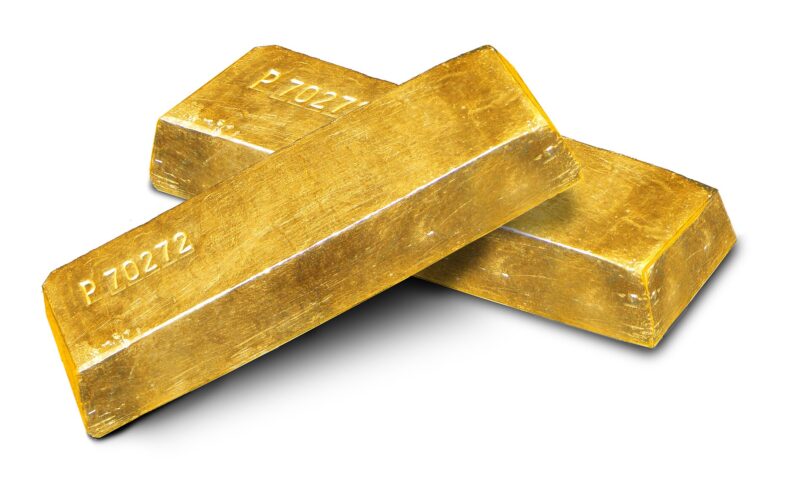

Gold has spent the year doing something it is not supposed to do in an era of high interest rates: climbing, relentlessly, to record after record. The metal offers no yield, costs money to store, and yet buyers — from the world’s central banks to nervous retail investors — cannot seem to get enough of it. When gold speaks this loudly, it is usually saying something uncomfortable about everything else.
The standard explanation for gold strength is falling real interest rates, and that channel matters. But this rally has a second engine that analysts increasingly treat as the main one: central banks, particularly in emerging markets, have been buying gold at a pace not seen in half a century, diversifying reserves away from dollar assets in a world of sanctions, frozen reserves and geopolitical blocs. Our markets desk has followed the buying streak through successive quarterly reports.
A Hedge Against Politics, Not Just Inflation
Gold’s modern role is less about inflation — consumer prices have cooled across most major economies — than about political risk. Government debt in the United States, Japan and much of Europe sits at levels that would once have been considered crisis territory. Investors asked to hold thirty-year promises from heavily indebted governments are, in growing numbers, also holding an asset with no counterparty at all.
The freezing of Russian central bank assets in 2022 is widely cited by reserve managers as the moment the calculation changed. Gold held in one’s own vaults cannot be sanctioned, frozen or printed. Surveys by the World Gold Council show reserve managers expect the dollar’s share of global reserves to keep drifting down, with gold the principal beneficiary.
Who Else Is Buying?
Beyond official buying, exchange-traded funds have swung back to inflows after years of outflows, and demand in Asia — jewellery, bars and coins — remains formidable even at prices that would once have choked it off. Momentum traders amplify every leg higher, while miners, disciplined after a decade of cost-cutting, have been slow to flood the market with new supply.
Sceptics note, correctly, that gold rallies end and that the metal can fall hard when real yields rise or risk appetite returns. The metal’s price already embeds a great deal of anxiety; if that anxiety fades, the air below the market is thin. But the structural bid from central banks is widely expected to put a floor under corrections that earlier cycles lacked.
What Would Stop the Run?
The Retail Crowd Arrives Late, as Usual
One measure of a rally’s maturity is the behaviour of small investors, and by that measure gold’s run is entering an interesting phase. Coin dealers report queues; gold-backed funds marketed to savers have multiplied; social media finance has discovered an asset older than the stock market. Historically, retail enthusiasm of this temperature arrives late and leaves bruised — yet the structural buyers beneath this market are not retail at all, which is what makes forecasters hesitant to call a top in the usual way.
Portfolio managers who dismissed gold for a decade now describe allocations of five or ten percent as prudence rather than speculation. When the sceptics finish capitulating, rallies can do surprising things in either direction. What they rarely do is end quietly.
For ordinary savers the spectacle cuts two ways. Gold’s rise validates the metal’s ancient role as insurance, yet insurance bought at record prices pays out only if the fear does. Advisers, as ever, are preaching allocation over adrenaline.
A durable peace in the world’s active conflicts, credible fiscal consolidation in major economies, or a sustained rise in real yields could each take the shine off. None currently looks imminent. Until one arrives, gold’s record run is best read as a price tag on uncertainty — and that tag keeps getting more expensive. Follow the story at newspackets.com.