
Going to kindergarten can be thrilling and a little bit scary. Children sense it. Parents certainly do. New classrooms new faces and new routines can seem huge through young eyes. Yet children are wonderfully adaptable when given the right support. A strong start does not happen by accident. It grows from small daily experiences. Learning to share. Learning to listen. Learning that asking questions is a good thing. These early moments build something important. Confidence. Once children believe they can succeed they often step into new experiences with surprising courage.
First Steps Spark Courage
Many children arrive at school carrying mixed feelings. Excitement sits right beside uncertainty. Families looking for a Kindergarten Readiness Program often hope to find environments that gently bridge this transition. Readiness programmes introduce routines expectations and social experiences in ways young children can understand. Nothing feels rushed. Children practise simple responsibilities and become familiar with classroom life gradually. This steady approach makes a difference. When children know what to expect they relax, they participate more willingly. Confidence appears little by little until school begins feeling less unfamiliar and much more inviting.
Routines Create Lasting Comfort
Children often resist routines while secretly depending on them. It is one of childhood’s funny contradictions. Predictable schedules provide security because children understand what comes next. Snack time follows activities. Stories arrive before home time. These familiar patterns reduce stress and create stability. Children begin managing transitions independently and take pride in doing so. Small achievements matter. A child who hopefully hangs a backpack without outside help feels like a real achievement. Structured routines also freed kids to the awareness of learning friendships and exploration because they don’t waste energy fretting about what happens later.
Playful Practice Builds Skills
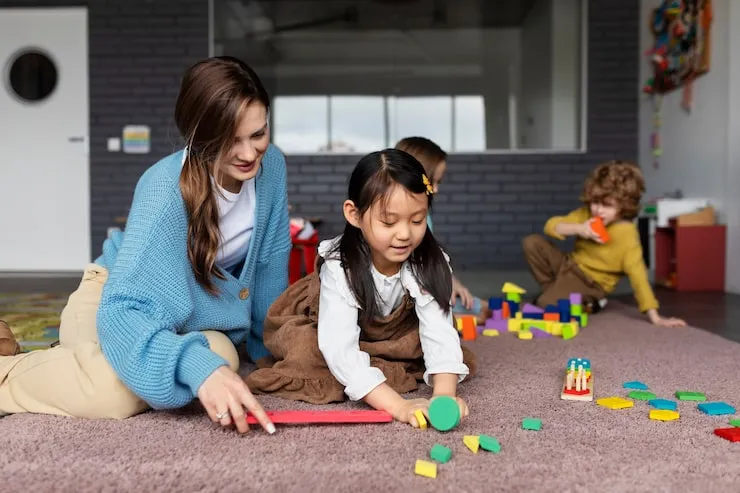
Children learn astonishing amounts through play. Adults sometimes overlook this because learning rarely looks formal. Yet while building towers children explore balance problem solving and persistence. During pretend games they strengthen language and social skills. Play creates opportunities for growth everywhere. Educators intentionally design playful experiences because children remain deeply engaged when activities feel enjoyable. Nobody needs convincing to join a game. Skills develop naturally through participation. Children experiment makes mistakes and tries again. These playful experiences often leave stronger impressions than traditional instruction because children discover concepts through firsthand exploration.
Recognition Encourages Achievement
Every child wants to feel capable. Recognition helps nurture that feeling. A simple encouraging comment can brighten an entire day. Families interested in a Merit Scholarship School often appreciate educational cultures that celebrate dedication effort and growth. Recognition does not always involve certificates or awards. Sometimes acknowledging persistence matters most. Children begin understanding that progress deserves celebration. They become more willing to challenge themselves because they trust that effort will be noticed. This mindset supports resilience. Students learn that achievement grows gradually through practice curiosity and continued determination.
Bonds Make Transitions Smoother
Starting school becomes easier when children form connections with peers. Friendships create comfort during unfamiliar experiences. They often begin unexpectedly. One shared activity. One funny conversation. Suddenly, the kids come out of nowhere. Social stories teach valuable lessons in oral exchange about cooperation and empathy during youth education. Not every interaction works seamlessly and that is definitely clear. Educators guide children through conflict and encourage respectful problem-solving. These reviews promote emotional development. Kids who feel connected to their peers often approach college with extra enthusiasm and confidence.
Family Support Strengthens Transitions
The transition works beautifully when households and educators communicate openly. Parents understand their young ones in a way that no one else can. Educators observe certain forces and behaviours sometimes in classroom stories. Together, they create more complete information for each child. Children notice these partnerships too. Seeing trusted adults work together provides reassurance. Family involvement also extends learning beyond school walls. Reading stories discussing daily experiences and celebrating achievements all reinforce growth. Education becomes a shared journey rather than separate experiences at home and school. That sense of teamwork supports smoother and more positive transitions.
Conclusion
Preparing children for kindergarten involves far more than academic readiness alone. Confidence independence curiosity and social development all play important roles. A supportive learning environment helps young people to create innovative reviews with joy, which is preferable to care. Families interested in developing educational opportunities can visit ncaus.education, which explores programs designed to support transition to success and inspire a lifelong enthusiasm for learning and personal growth.